
Abrasives for Pipe and Tank Work (Oil & Gas)
Oil and gas surface preparation covers pipe rust removal, tank interior treatment, offshore rig maintenance, and preparation before anti-corrosion coating. Grit size and disc type follow the surface type and coating requirements.
Why Abrasive Selection Is Hard in This Industry
Final product quality depends on the uniformity of the abrasive process from the first cut to the final finish. So rather than simply shipping general-purpose tools, we study the working challenges and match the right abrasive, tool shape, and grit size.
Pipe rust removal without damaging the surface
Tank interior preparation before coating
Grain selection that withstands humid, corrosive environments
How Is the Right Specification Decided?
- Identify the working surface
The wood or metal type, surface condition, and any remaining coating or machining defects.
- Consider the working method
The machine type, attachment method, pressure, and feed rate.
- Choose the material and grade
The grain type and grade that fit the removal or finishing stage.
- Test samples
Samples or specification trials can be run before commercial quantities are approved.
Questions About Oil & Gas — Surface Preparation Work
How is grit size for oil tanks determined?
Start with coarse 40–80 for stock removal, then step up to 120–180 for finishing. Grain type (aluminum oxide / zirconia alumina) depends on surface hardness. We confirm specifications before approval.
Is sample verification supported before volume orders?
Yes. Send samples with your workpiece and grain; we record the verification results before moving to mass production.
Browse Other Industry Solutions

Woodworking
Wood finishing depends on balancing stock removal with smoothing. Choosing the right belts and discs yields a more stable process and repeatable quality, and reduces downtime caused by poor selection.
View the Solution →
Metal Finishing
Metal surfaces need oxide removal, deburring, and painting. Discs and belts are selected based on metal hardness, gloss requirements, and whether the surface already carries a protective layer.
View the Solution →
Automotive & Maintenance
From paint stripping and body panel preparation to edge smoothing, each stage needs different tools and abrasives. We advise on both the product and the working method.
View the Solution →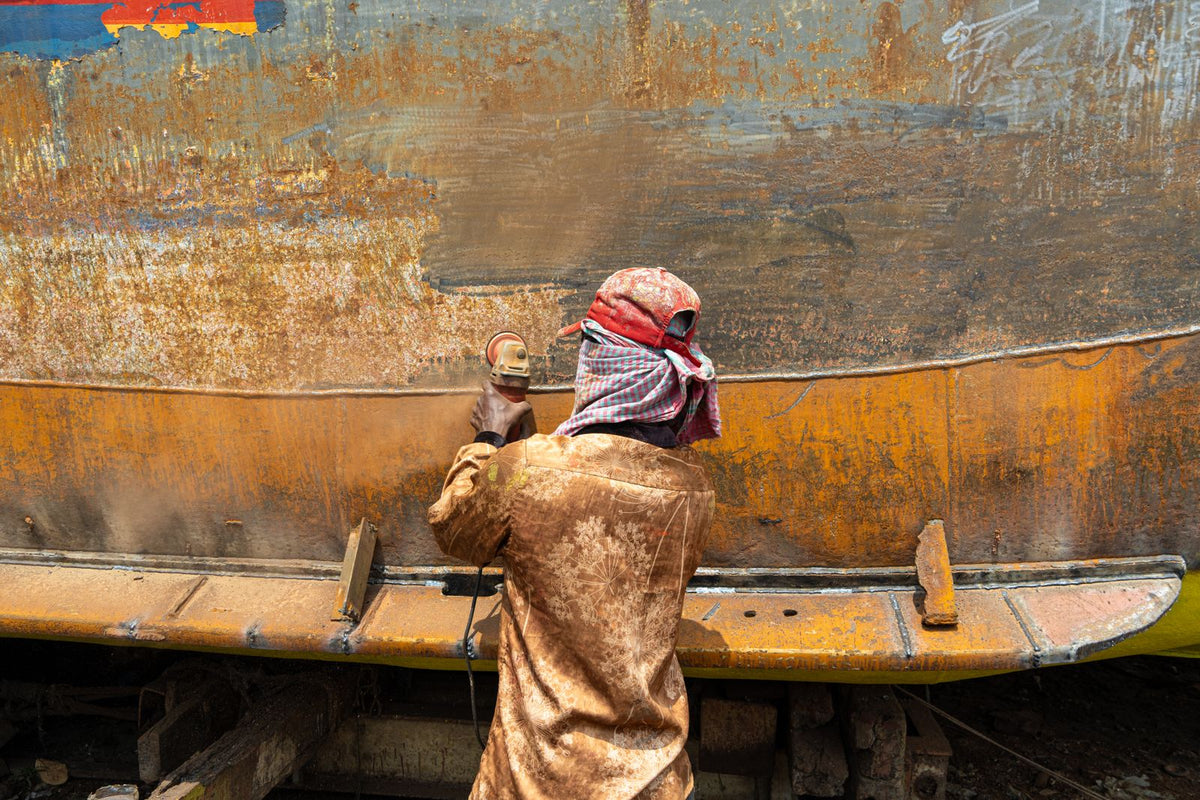
Shipbuilding & Marine Maintenance
At shipyards, surface preparation starts with rust removal from steel plate and stripping of old coatings, then continues with weld treatment, pre-paint surface treatment, and friction reduction. Belt and disc selection depends on surface area, rust type, and processing speed.
View the Solution →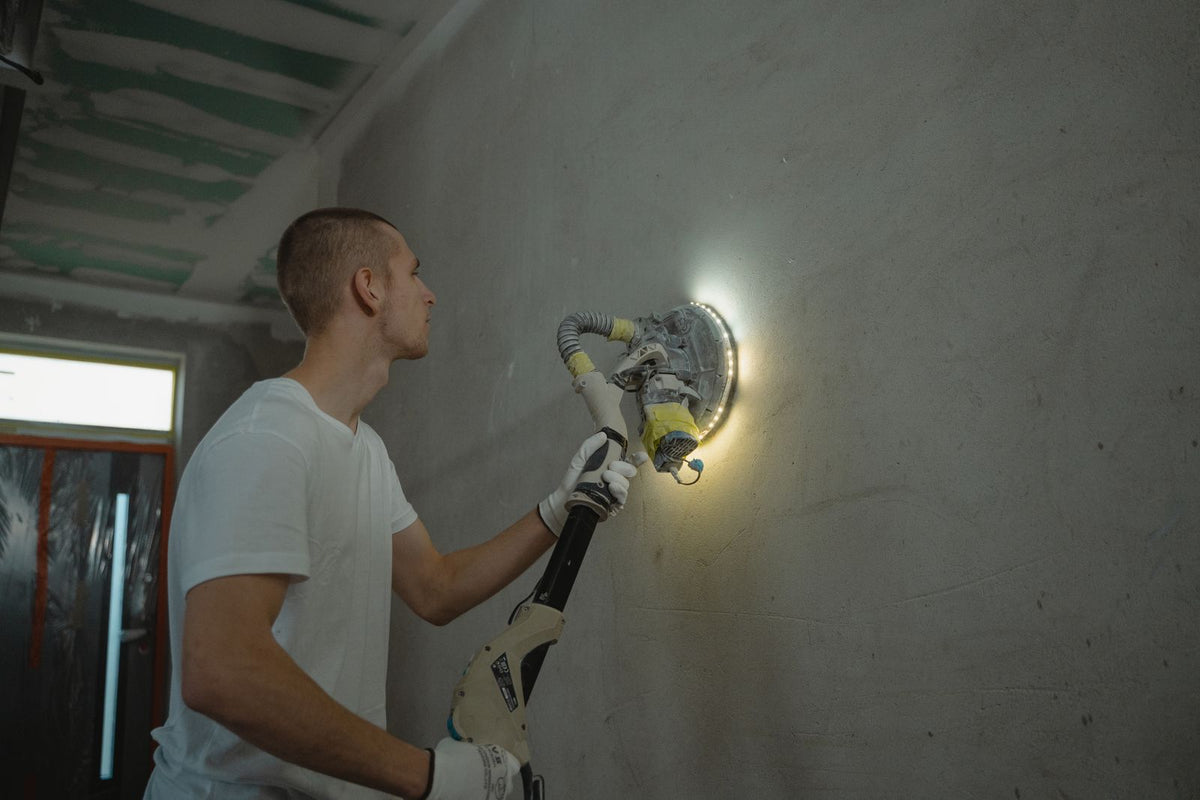
Construction Material Processing
Construction materials (drywall, cement, stone, wood) need flexible abrasive tools that handle both curves and flat surfaces. Grit size and backing follow the finishing stage and surface type.
View the Solution →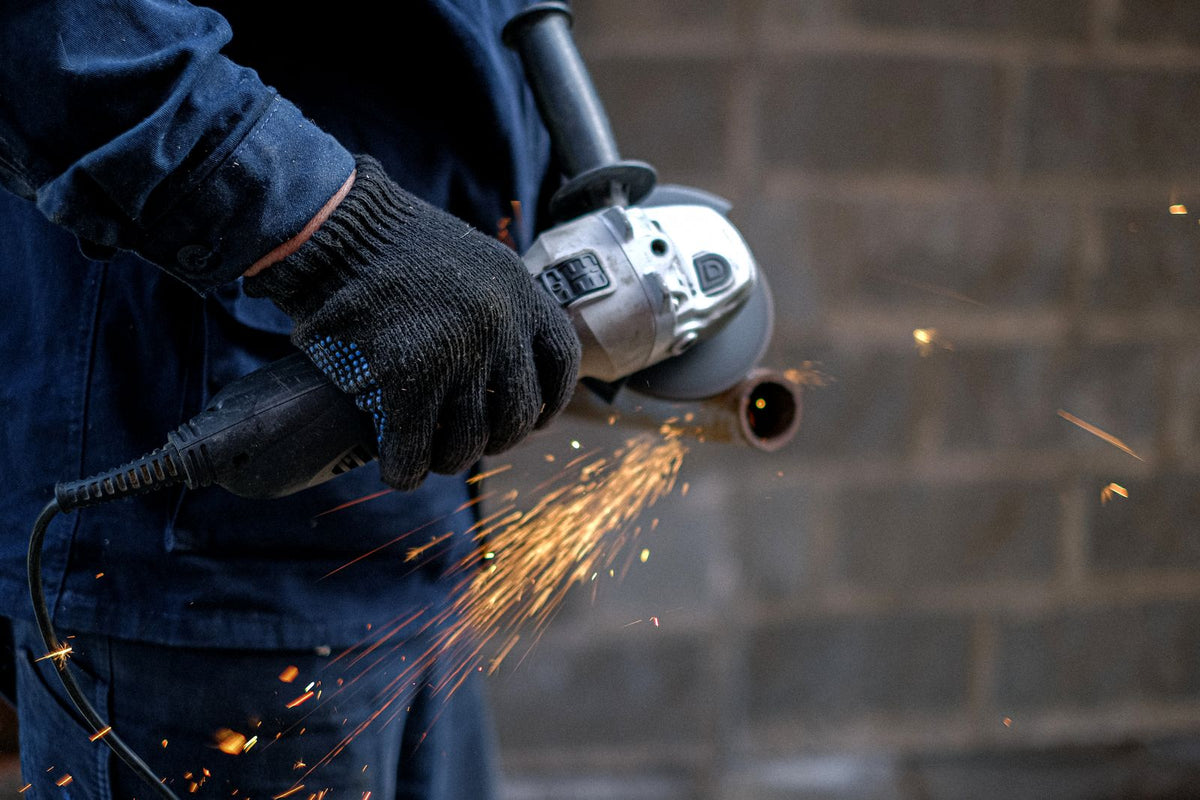
General Industry
Maintenance, repair, and surface cleaning across general industrial facilities. Covers a wide range of materials and uses, with customization matched to actual consumption.
View the Solution →Build an Abrasives Solution for Oil & Gas — Surface Preparation
Describe the part of the process where the challenge is. We review the specification and propose the right material and trials.